
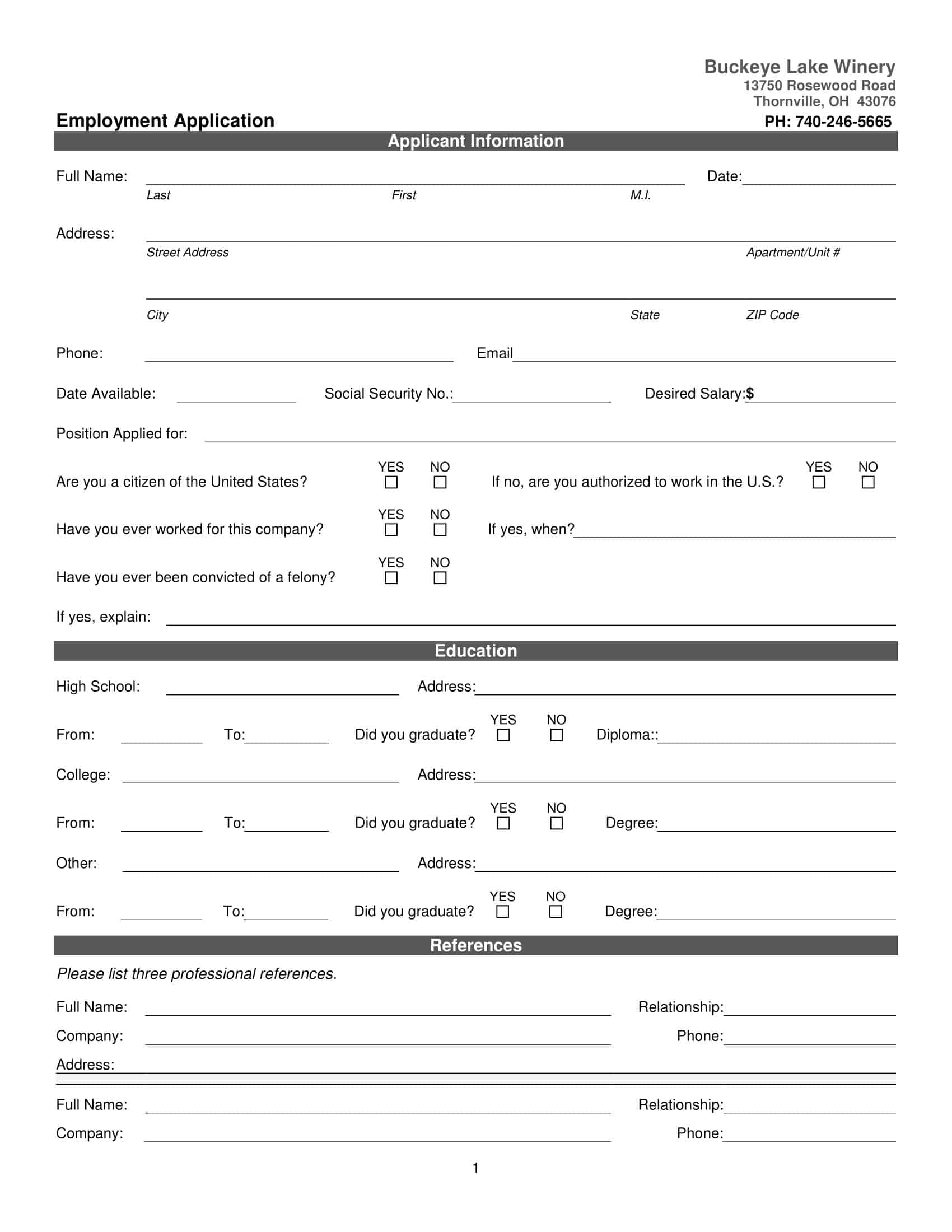
As a possible lessee, you need to expect a property owner to screen you before signing the lease. Concerns that the landlord most likely wants to resolve include whether you are likely to take proper treatment of the residential or commercial property, whether you pay rent out on time, whether you unreasonably grumbled to previous property owners, and whether you triggered problems with your previous other tenants or next-door neighbors. If you have an animal, for instance, the property owner will certainly want to validate that you know just how to manage it to ensure that it does not disturb others.
Information Covered on a Rental Application
Some of the usual concerns addressed on rental applications consist of a prospective renter’s criminal background, credit history, and any type of previous evictions by prior proprietors. Landlords might inquire about the nature of your work and revenue resources, and individuals that are freelance might be a lot more carefully vetted.Join Us Nebraska Rent Application website While landlords can not discriminate on the basis of migration condition, they can ask for evidence of an international nationwide’s lawful status in the U.S. They can likewise ask for recognizing information like a Social Security number or driver’s license.
In some cases, a potential renter may choose to satisfy a landlord with a finished rental application already in hand, together with their credit history record and referrals from prior property managers and others. This is not required however can be a way to start the connection on a strong ground.
A proprietor might desire even more info concerning a prospective renter’s pet. It may be a great concept to gather positive recommendations from previous landlords or neighbors and any other proof of good behavior, such as obedience or training certificates.
History and Reference Checks
Instead of taking the info on the application at stated value, property managers will generally follow up by inspecting it with a potential occupant’s property owners. They also might ask a company or a credit rating reporting agency to verify info related to revenue and credit. Landlords need to receive a completed permission form from an occupant to do this, yet providing this authorization is basic.
Tenants do have rights during this procedure. Landlords might not make use of the background check procedure to assist the discriminate against specific groups whom they do not want on their property, such as teams specified by race, religion, or nationwide origin. They also are not permitted to ask unimportant concerns that attack a potential renter’s personal privacy. The consent type should be worded in a way that secures the civil liberties of renters by limiting the scope of the details available to the proprietor.
If you had an aggressive relationship with your current property manager or a prior property owner, you might wish to present your side of the story prior to they present their own. You may be able to offer a possible proprietor with police reports reviewing security problems if this was an aspect, or there could be public documents revealing code infractions by the present or prior property owner, as an example.
3rd parties whom the property manager calls are not needed to communicate with the landlord, even if the occupant has actually completed the authorization kind and even if the tenant inquires to supply details.
Checking Credit Score Information
Landlords frequently will certainly intend to check out a prospective occupant’s credit rating. They can find out if you have been late in paying your lease, kicked out, convicted, or otherwise involved in litigation at any time in the last 7 years. Additionally, they can find out whether you have declared personal bankruptcy in the last 10 years. Potential occupants may require to pay a little fee to cover the price of the check. They might also want to conduct a look at their own beforehand so that they can take care of any issues or prepare a description for them.
The government Fair Credit rating Coverage Act gives you the right to learn the identification of a credit score reporting agency that reported adverse information about you if this caused a property manager rejecting you or charging greater rent. You have a right to obtain a totally free copy of your data from the company, yet you must request it within 60 days of the landlord denying you. You can dispute the precision of the info in the record, although the property manager will certainly inform you that the agency did not decide not to rent out to you and is exempt for explaining why you were declined.